
Related Posts
Online Message
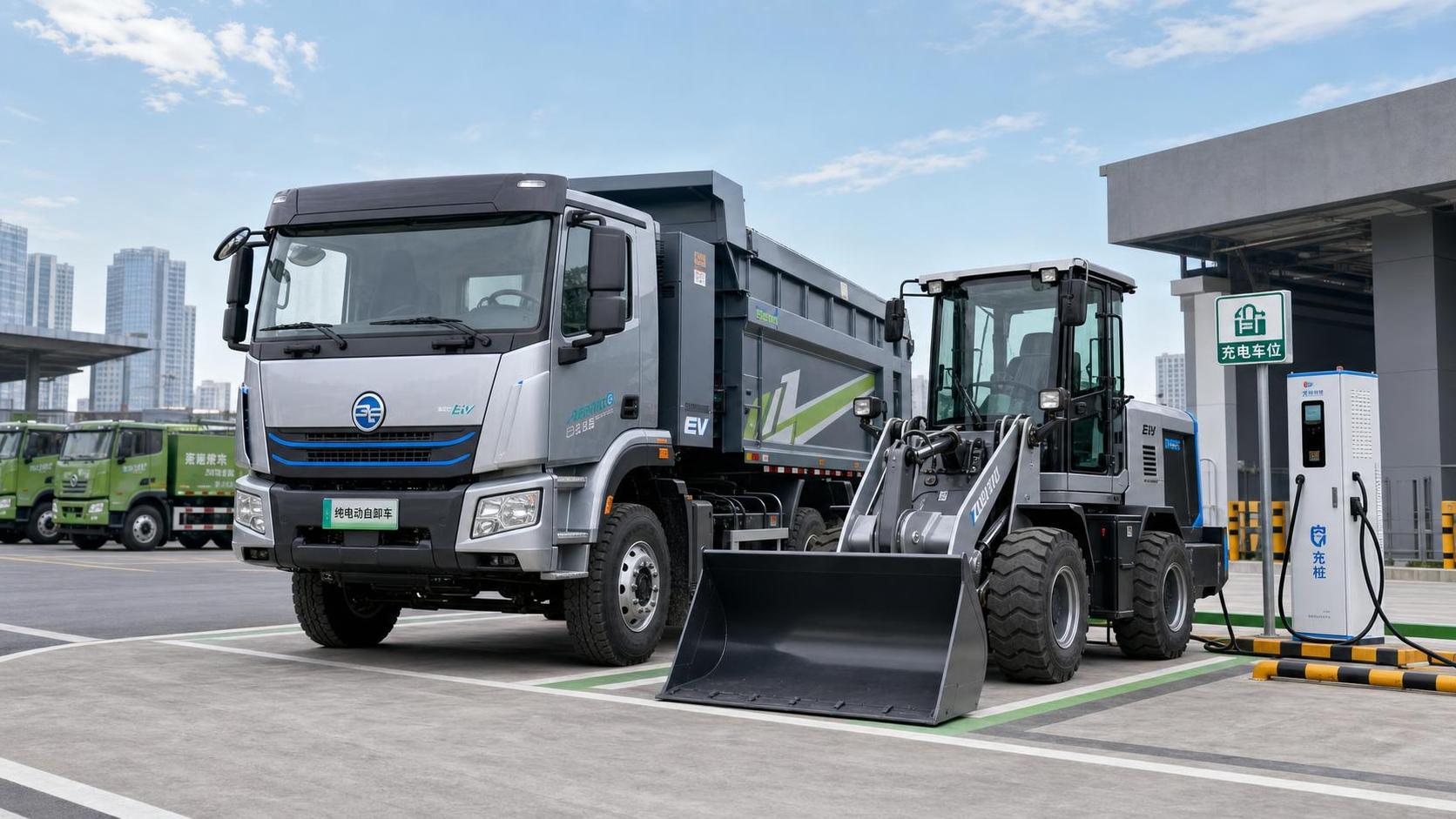
Construction machinery electrification is moving from pilot discussion to fleet planning reality, especially where road vehicles and jobsite equipment operate as one system. For technical evaluation, the key question is no longer whether electric machines are viable in principle. It is whether a specific machine, route pattern, charging setup, and operating schedule can deliver stable productivity without creating new constraints.
That is why battery size and purchase price only tell part of the story. A workable plan depends on duty cycles, charging windows, thermal behavior, payload effects, maintenance needs, and the way mixed fleets actually move between roads, depots, and work zones. In road construction, municipal projects, quarry access, and urban logistics support, electrification succeeds when these variables are assessed together rather than in isolation.
Why electrification in construction machinery is receiving closer attention
Pressure is coming from several directions at once. Urban emission rules are tightening. Noise limits are becoming more relevant on night work and dense city projects. Fuel price volatility still affects operating budgets. At the same time, charging technology and battery management have improved enough to make more use cases practical.
The road vehicle sector is also shaping expectations. Fleets already using electric buses, vans, or trucks are familiar with depot charging, energy monitoring, and route-based planning. That experience now influences how companies evaluate electric construction machinery, especially when machines share facilities with commercial vehicles.
This broader context matters. FOTON, for example, has built its global position across fuel and new energy trucks, vans, buses, and construction machinery. That cross-segment capability reflects an important market direction: electrification decisions increasingly involve the whole transport and equipment ecosystem, not a single machine category.
What technical evaluation really needs to measure
In practice, electric construction machinery should be judged against task completion, uptime, and operational fit. Nameplate specifications are useful, but they are not enough for fleet planning. A machine that looks competitive on paper may underperform if charging access, gradeability, or auxiliary loads were underestimated.
A stronger evaluation framework usually includes these dimensions:
- Actual energy use per shift, not only laboratory figures.
- Peak power demand during lifting, digging, hauling, or idling with auxiliaries running.
- Charging time relative to work breaks, shift changes, and dispatch cycles.
- Performance stability in hot, cold, dusty, or stop-start environments.
- Compatibility with existing road fleet energy infrastructure.
Simple comparisons often miss how machines are used in combination. A road project may require electric tipper support, compact loaders, service vans, and mobile charging assets. Planning should therefore examine machine-level performance and fleet-level interaction at the same time.
Duty cycle is the first filter
For construction machinery, duty cycle analysis is more valuable than broad assumptions about daily operating hours. Two machines may work eight hours each, yet one experiences long idle periods and moderate loads, while the other runs repeated high-torque cycles with limited breaks. Their electrification suitability will be very different.
The most useful starting points are task duration, average load factor, idle ratio, travel distance, gradient, and auxiliary power demand. Heating, cooling, hydraulic systems, lighting, and telematics all affect usable battery energy. On short urban projects, these loads may be manageable. On heavy continuous work, they may become decisive.
This is where field data becomes important. Telematics records from existing diesel or hybrid units can reveal whether a machine spends its day moving material, waiting for coordination, or traveling between road sections. That operational profile gives a better basis for battery sizing and shift planning than average utilization estimates.
Typical electrification fit by operating pattern
Charging strategy shapes fleet practicality
Charging is not just an infrastructure question. It determines dispatch flexibility, spare machine needs, and utilization rates. For some construction machinery fleets, overnight charging at a depot is enough. For others, opportunity charging near road projects or temporary work zones is necessary.
Three points deserve close review:
- Grid availability and upgrade lead times at depots or staging areas.
- Connector and charging standard compatibility across vehicles and machines.
- Whether charging windows align with actual operational pauses.
In road-linked applications, the best solution is often shared planning across trucks, vans, and construction machinery. A charging network built only around one asset type can create bottlenecks elsewhere. Integrated planning reduces stranded capacity and supports phased electrification instead of isolated pilots.
Battery mass, payload, and machine balance
Electrification always introduces a weight tradeoff. On some machines, battery mass is acceptable because it lowers noise and reduces fuel-related servicing without harming useful output. On others, battery packaging affects payload, axle loads, stability, or ground pressure in ways that directly influence productivity.
Road-connected construction machinery deserves extra scrutiny here. If the machine or support vehicle spends meaningful time on public roads, legal weight limits, braking behavior, tire wear, and range under load all matter. The evaluation should reflect transport configuration, not only jobsite operation.
Battery placement also affects serviceability and thermal exposure. A machine with a theoretically strong range figure may still be less attractive if component access is poor or if pack location increases vulnerability in rough terrain.
Thermal management is a performance issue, not a side note
Construction machinery works in demanding conditions: dust, vibration, high ambient heat, low-speed operation, and variable load spikes. Under these conditions, thermal management influences charging speed, available power, battery aging, and overall uptime.
Cold weather can reduce effective range and slow charging. High temperatures can trigger power derating or increase cooling energy demand. If road travel is combined with low-speed site work, the machine may cycle through very different thermal conditions in one shift.
This is why technical review should include more than battery chemistry claims. Cooling system design, pack protection, software control strategy, and local climate history all influence real-world value. Field validation in representative operating conditions remains one of the most reliable filters.
Lifecycle economics require a wider lens
Purchase price still matters, but total lifecycle efficiency is the better planning metric. Electric construction machinery may reduce energy cost, maintenance frequency, and noise-related operating restrictions. Those gains can be significant in road maintenance, municipal works, and urban construction windows.
At the same time, hidden costs can offset those benefits if they are ignored early. Examples include charger redundancy, mobile power support, battery replacement assumptions, operator training, and lower utilization caused by poor scheduling.
A practical economic model usually compares:
- Energy cost per productive hour.
- Maintenance downtime and parts demand.
- Infrastructure investment per deployed unit.
- Residual value and battery health trajectory.
- Productivity variation during seasonal extremes.
For companies already operating electric commercial vehicles, some of these capabilities may already exist. That can materially improve the economics of adding electric construction machinery to the same ecosystem.
A phased fleet approach usually works better than full replacement
Large-scale replacement is rarely the most efficient starting point. A phased approach allows teams to validate charging behavior, seasonal performance, and productivity effects before capital deployment expands. It also helps define which duty cycles should remain diesel, hybrid, or electric for now.
Machines with predictable routes, repeatable shifts, and depot access are usually the best early candidates. Mixed fleets can then be optimized around actual performance data. This is especially relevant for organizations linking road transport, municipal service, and site equipment under one operating model.
Manufacturers with both commercial vehicle and new energy expertise can support that transition more effectively because the infrastructure, telematics, and service logic are connected. FOTON’s experience across trucks, buses, vans, and construction machinery reflects that integrated direction in fleet planning.
What to review before the next planning step
Before selecting any electric construction machinery platform, it helps to build a short decision framework around real operating evidence. That framework should include shift energy demand, route or site layout, charging windows, climate exposure, expected service support, and the relationship between machine uptime and project deadlines.
The next useful step is usually not broad procurement. It is targeted validation. Compare a few machine classes, map them against actual duty cycles, and test whether the charging plan supports the road and jobsite schedule together. When those technical factors align, construction machinery electrification becomes less of a headline and more of a dependable fleet strategy.
Please give us a message